
It never ceases to amaze me how the world turns from irrational prejudice and hate to a brief 1960’s “Summer of Love” and acceptance, and then suddenly we’re jolted back to being hounded by narrow-minded authoritarians. But at least, for now, we can still shout and make our voices heard. Ironically, many of today’s arguments for sexual identity acceptance were first given voice onstage by a gifted, empathetic Dutch female novelist and playwright who specialized in early 20th century family dramas.
Jo M van IJssel de Schepper-Becker is credited with writing the first honest and sympathetic gay coming-out play in history. After only two Rotterdam performances in 1922, her play provoked such ire and hostility among all segments of society that it was immediately shut down and never heard of again … till about a century later when theater historian Laurence Senelick translated FORBIDDEN! into English in 2010. And our local LGBTQ+ play-producing dynamo, Ronnie Larsen, serendipitously discovered this iconic gem, and secured American production rights.
Ronnie will be first to let you know that despite his long, active involvement in gay-themed theater, he was shocked that he’d never heard of this landmark play before. Then was blown away after reading the sophisticated script filled with scenarios that – if one were to exclude period references and dress – could almost have been written today. The play marked an obvious turning point in gay theater (and theater in general) and deserved to finally be celebrated before large audiences, cementing its place in history.
Naturally, Larsen chose his production company, Plays of Wilton (POW!), as the ideal platform for introducing the show to his built-in fan base at The Foundry. But he was also determined to present this powerful, contemporary-sounding historic play to a wider audience, for as long a run as possible. That way members of the public of ALL persuasions could finally see and appreciate FORBIDDEN!‘s inherent message of accepting homosexuality as a normal, naturally occurring biological trait which threatens no one. All while enjoying a moving and very relatable family drama punctuated with humor, suspense, and some exciting, last-minute surprises.
To ensure ticket price would not keep anyone away, Larsen got his wonderful sponsor, The Warten Foundation, to also underwrite ticket sales, so they only cost $10 a piece! Here I must add: This play is actually priceless. (And if it does head to Broadway, or Off-Broadway – which I feel it’s totally ready for, lock, stock, and barrel, along with its fantastic cast – would still be worth NYC’s inflated ticket fees. But hey, you might as well grab the deal now and see it in Wilton Manors!)
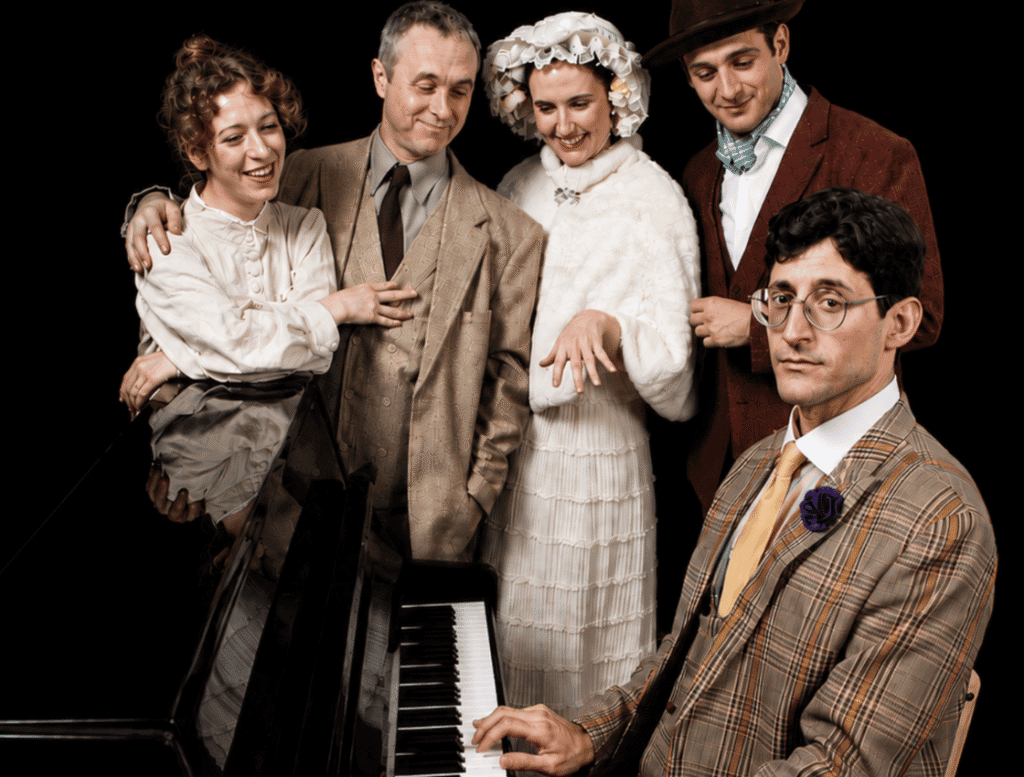
Larsen also serves as the play’s impeccable director and is presenting the American premiere of the world’s first openly gay play through September 27. He secured some of his most popular and active local actors that many of us have recently seen and raved about (and will once again amaze us by how seamlessly they embody a new character). First off, playing a couple again (though of a very different stripe from the Falwells at The Foundry) are real-life couple, Seth Trucks and Sara Grant. (I can see why Ronnie doesn’t want to let go of these two super-star actors, and keeps finding them roles in his plays! … or does he find plays for their roles? lol)
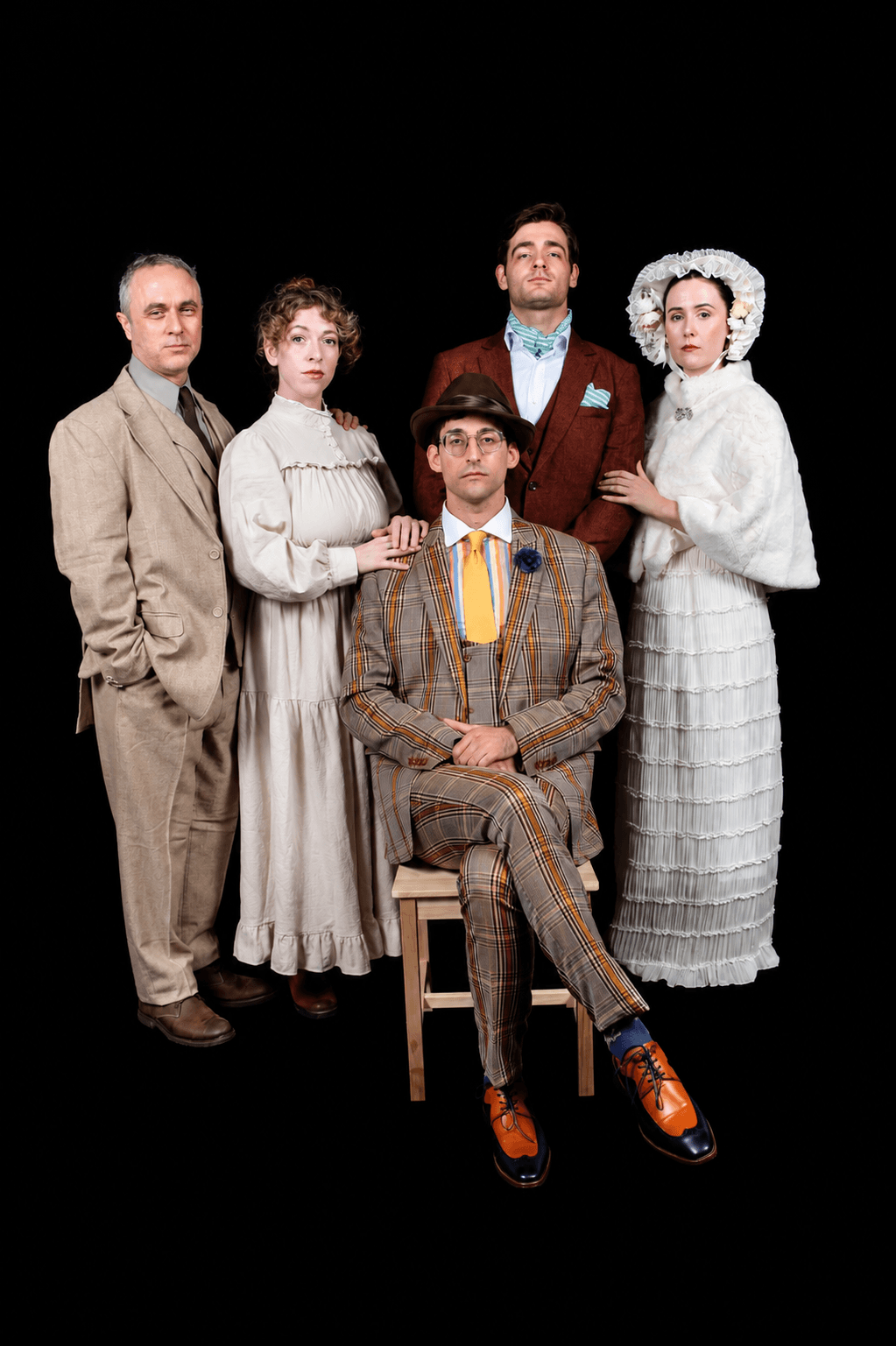
This latest 104-year revival features a sudden, life-altering revelation that completely upends the customary dynamics of a typical, upper-middle-class Dutch family with two young adult children, still living at home. Trucks plays The Father, Gerard – a typical, old-fashioned breadwinner of the period who expects to be catered to by the women in his life, obeyed, and have everything stay the same.
Somewhat of an “Archie Bunker”-type, Gerard doesn’t understand why his wife is bent on expanding her horizons by learning new things along with their children, and is no longer content in her “little wifey” role. But towards the end, when faced with losing everyone he loves, Father Gerard undergoes a brutal emotional reckoning. And Seth Trucks gifts us with a performance of a lifetime as a broken man who must force himself to truly “man up” and muster the courage to change.
Sara Grant, who I can never compliment enough, is once again tasked with the heaviest emotional fulcrum of the play. It takes The Mother, Marie, a little time to accept that her son is gay, while mostly worrying that his secret will be discovered and how it will “ruin” his life. But she also can’t hide her instinctive repulsion toward his “deviance,” a feeling likely ingrained into all members of society at the time. Watching her fight against her inner demons while striving toward full acceptance powered by the immutable force of motherly love for her son is both heart-wrenching and inspiring.
It is Mother Marie who ends up saving Son Walter’s sanity, and maybe even his life, by turning into his trusted advocate – a loving mom and sole confidant he can always depend on for support. Son Walter’s “coming out” scene and aftermath repercussions obviously resonated deeply with many in the audience. For those who don’t relate personally, the scene can provide a window toward deeper understanding of the daily struggles faced by our LGBTQ+ neighbors and friends.
Because irrational prejudice in every form still runs rampant in our society and its demonizing manifestations are not only hurtful, but often downright dangerous, I couldn’t help thinking of another form of group hatred that’s been resurrected of late, with a vengeance. I’m speaking of the vehement, rather recent rise of overt antisemitism throughout the world. And how sad it is to once again see how inbred discriminations – be they against those of different sexual persuasions, ethnicities, or even political beliefs – can so easily be tapped into and result in unapologetic violence. Brutality reigns when humanistic ideals are no longer the norm and society’s earlier standards of treating one’s fellow man/woman/person with kindness and compassion are selfishly ignored.